1. You can configure about anything (which may be a good thing) but all of this "configuration" looks and feels like Apollo 11 Command Module.
2. UI\UX is lacking. Too many controls all over the place or at least too sticking out.
PS: "all over the place" is just the best phrase I can thing of in english to describe KDE. But most of all this is just about two different views on how a DE should look and feel like.
KDE fans prefer this "I have all the inputs in one place even if I use 80% of them once a year" and "I can configure every pixel even though I won't do it ever".
Gnome fans prefer "clean and simple (and opinionated)" and "this DE gives me 80% of what I can possibly want for 20% of effort".
My reason for switching from gnome to KDE was that it was not possible for gnome to manage more than one Bluetooth adapter. A scenario that quickly occurs when you use a docking station. KDE had no problem with that. Another thing is the crusade against tray icons by gnome.
So yeah, I like the cleanliness of gnome actually better than KDE, which is really a bit messy. But when this "cleanliness" comes at the price of stripping away essential functionality, there's no choice.
KDE is actually hard at work to fix these problems and make sure programs have e.g. better defaults, are more consistent, and easier for new users (see for example the KHamburgerMenu widget, which even gives users a choice if they prefer an old fashioned menu). The core principle of the KDE HIG is "simple by default, powerful when needed": https://develop.kde.org/hig/
The difference is that KDE prefers doing this incrementally, which takes longer especially outside of core apps like Konsole and Dolphin, but it also prevents clusterfucks like the gnome-terminal vs gnome-console situation, and reduces churn in general.
My point being that you seem to be suggesting, in parent and sibling comments, that there are manifest and myriad configuration options provided by KDE AND that you feel you must use them.
You contrast this to Gnome, where there are NOT comparable configuration options, and you are 'happy with minor issues'.
I don't see how this is materially different from simply choosing to not use the extensive KDE configuration capabilities and being as 'happy with minor issues' as you would be with Gnome.
I'm misunderstood here then. I'm not saying that a feel I must use them. I'm saying the KDE UI by default exposes too many controls and provides settings to control this (more or less).
While Gnome exposes less controls (and arguable better UI desicions). Resulting in cleaner UI by default.
Okay, so now it sounds like you prefer the defaults of Gnome over those of KDE, while resenting the more sophisticated configuration options offered by KDE.
I've never really understood the complaint 'there's too many configuration options', at least in software where you don't need to touch any of those configuration options for a reasonable out-of-the-box experience.
If your problem with KDE is, in fact, that a vanilla stock install doesn't align with your personal UI preferences, while also bemoaning that there's too many ways to adjust the UI, then the problem might not be with KDE.
> "I can configure every pixel even though I won't do it ever".
Or, more likely, will configure many of them once and then be happy, as opposed to GNOME where if you're unhappy with anything you're just out of luck.
The whole point of my comment is that people are different. I'd rather not spend my time configuring KDE as I did 15 years ago and be happy with minor issues of GNOME.
> 2. UI\UX is lacking. Too many controls all over the place or at least too sticking out.
That's very subjective. I used Windows, Mac OS, Android (various UIs), KDE etc.. It's not "modern" semi transparent themes and gradients and rounded everything and whitespace, it is very responsive and works like I expect.
Many menus are collapsed into "...And X more menu items", menus nested in menus automatically without any thought put into it. You don't need modern styling, you can have thoughtful design while looking like Windows 95. That is what KDE lacks.


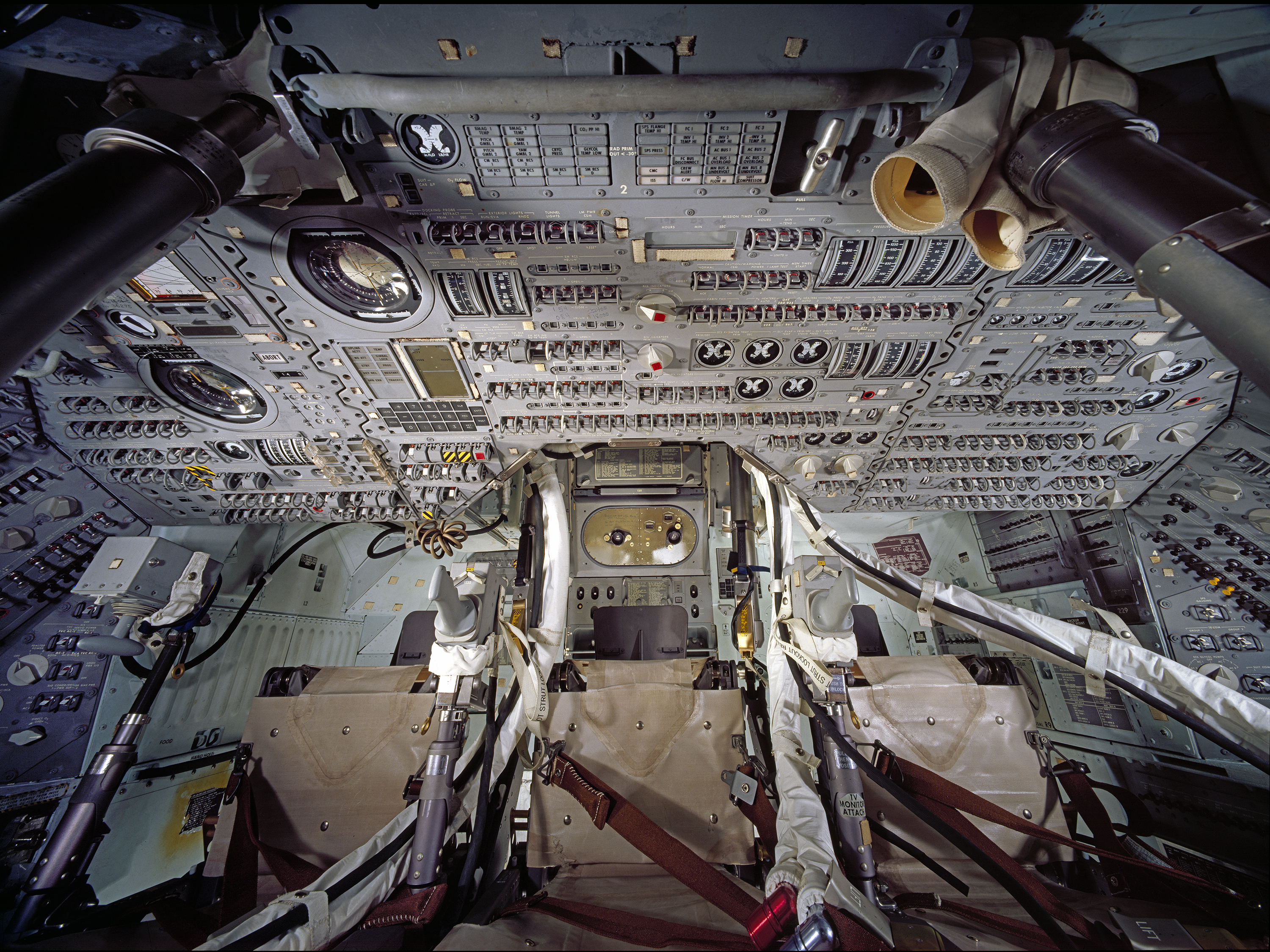
2. UI\UX is lacking. Too many controls all over the place or at least too sticking out.
PS: "all over the place" is just the best phrase I can thing of in english to describe KDE. But most of all this is just about two different views on how a DE should look and feel like.
KDE fans prefer this "I have all the inputs in one place even if I use 80% of them once a year" and "I can configure every pixel even though I won't do it ever".
Gnome fans prefer "clean and simple (and opinionated)" and "this DE gives me 80% of what I can possibly want for 20% of effort".