Sure, but the point is that money is cheap because government is throwing buckets of it on the table and not because people didn't want money in the first place.
The Fed sets interest rates based on inflation and unemployment (the dual mandate). And what has changed from 20-30 years ago is not that the Fed is extra dovish. If so you would see historically high and accelerating inflation, and incredibly hot job market. So it's not the Fed that has change it's the environment. Due to fundamental changes in the global economy we are living in a world of incredibly low natural interest rates.
To use a car analogy I'm arguing the gas pedal doesn't work as well so the Fed is having to keep their foot to the gas to maintain it's historical speed. Others argue the Fed is has been trying to go faster and that's why their foot is on the gas pedal. The graph seems to support that indeed their foot is on the gas.
Sure, that's quantitative easing. Something that the Fed was not doing in this form before and it's quite controversial whether it has been a success of a failure. In any case, this "temporary" solution is going for over ten years now and the Fed doesn't know how to get out of it.


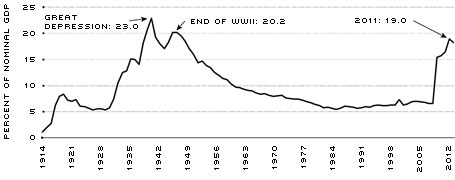
If there's cheap government money on the table, everyone would be crazy not to avail themselves, as long as the potential use expands one's business.