My primary issue with the TouchBar, losing the F keys was a concern but lot my primary one, was that it required me to look at it to use it. With keys you can feel them, and learn their place. But, the TouchBar had me looking at it and not the screen to do something. If it was angled so I could see it in my periphery whilst looking at the screen it would been awesome.
I like the idea of being able to merge a PR that is a partial solution, while keeping the issue open to reflect that it is only partially done. It kinda makes sense to do this in a single action.
Also:
> If [a person is not suitable to make the decision of whether the PR should be approved] then the person should remove themselves from the list of reviewers.
This doesn't reflect what sometimes happens in real life. Someone could have sufficient specialized knowledge to be able to veto a PR, without having sufficient broader knowledge to approve a PR. That person should definitely be left on the reviewer list, with the ability to veto, the necessity to remark if he has vetoed or not, and the inability to definitively approve.
It is necessary for this specialist to notate "I have finished examining this PR, and there is nothing within my expertise that would cause me to veto it" before the PR is advanced.
Unfortunately, in a binary system, that often equates to him having to say "I approve" even though this does not truly capture the intent. Then you wind up with hacky work-arounds, like requiring a minimum number of approvals.
Yeah, I was also under the impression helium was in very short supply. The article doesn’t mention that, at all. But it does say the unit is quiet because it operates at a constant frequency, so they can use noise cancellation very effectively.
Is your argument that because you don’t think US companies are good at PII, we need to force those companies to share their PII with 70 other countries on request?
> Maybe there is some more complexity to this argument, that I'm missing.
I think you’re missing the entire argument. Why would it be a good thing for a country to volunteer its’ companies PII through a treaty with foreign governments like Russia, North Korea, and China?
US-based companies probably have the most sophisticated PII & data privacy compliance schemes globally. Sure, that's mostly due to obligations imposed on them by jurisdictions outside of the US, but it is still true.
I had the exact same thoughts.
But, also, why is it a good thing that risk is passed down to the users of the currency?
In the regular system risk is passed upward to regular bank you deal with, then upward to the government bank. The frustrating part here is that the regular bank makes all, or very nearly all, the profit, yet passes on the risk. This gives them enormous amounts of power, through wealth, which is far from ideal.
But, much, much worse is the concept of removing the regular bank, and government bank, replacing them with a random person online. And passing the risk downward to the users of the currency.
You don't replace the bank with a random person, but with a smart contract trusted by the community. The whole point is to eliminate trust in the middleman completely from many transactions, and prevent a growing class of conflicts from even starting. That is why you don't need to post surety bonds, for instance!
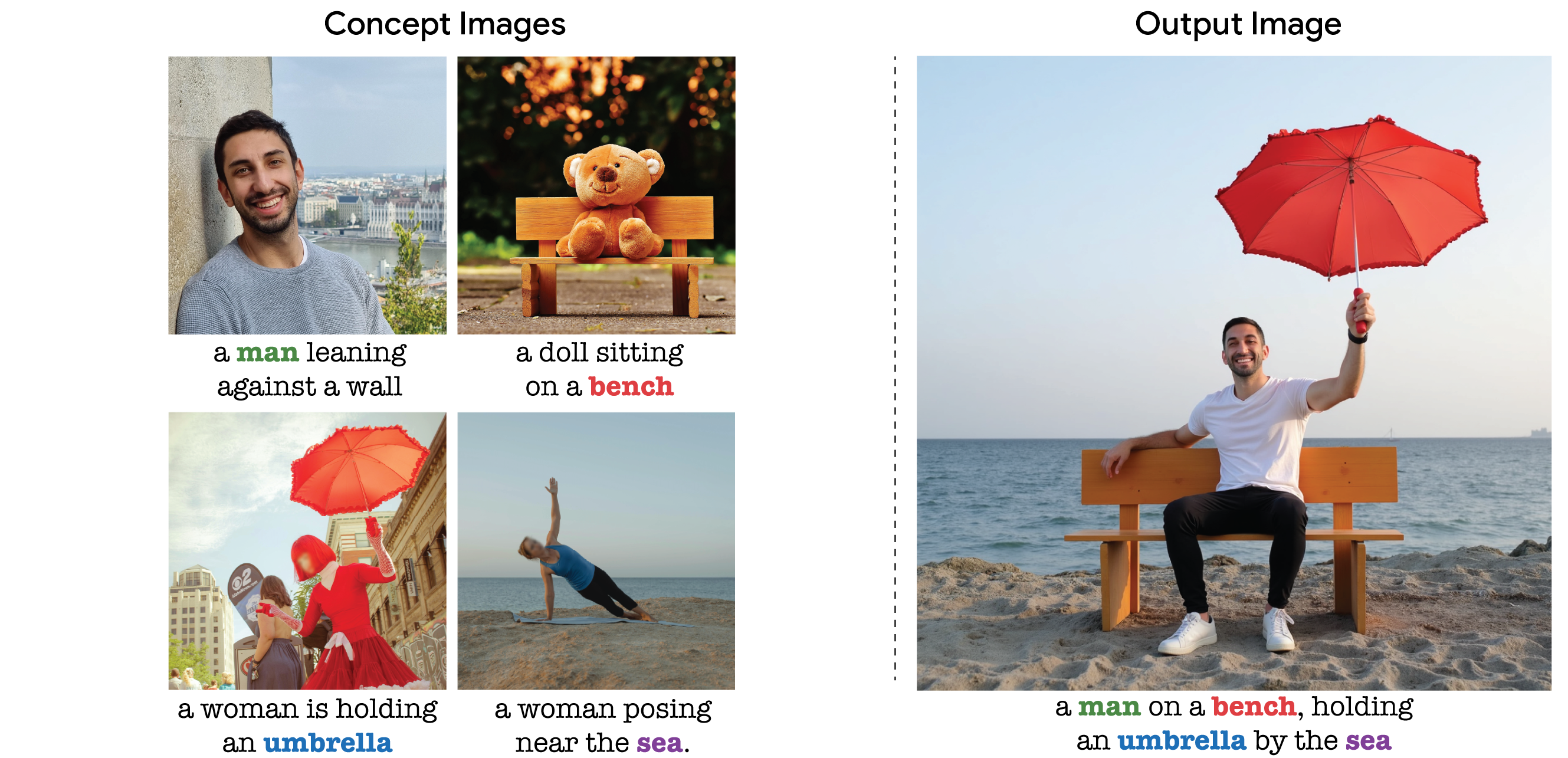
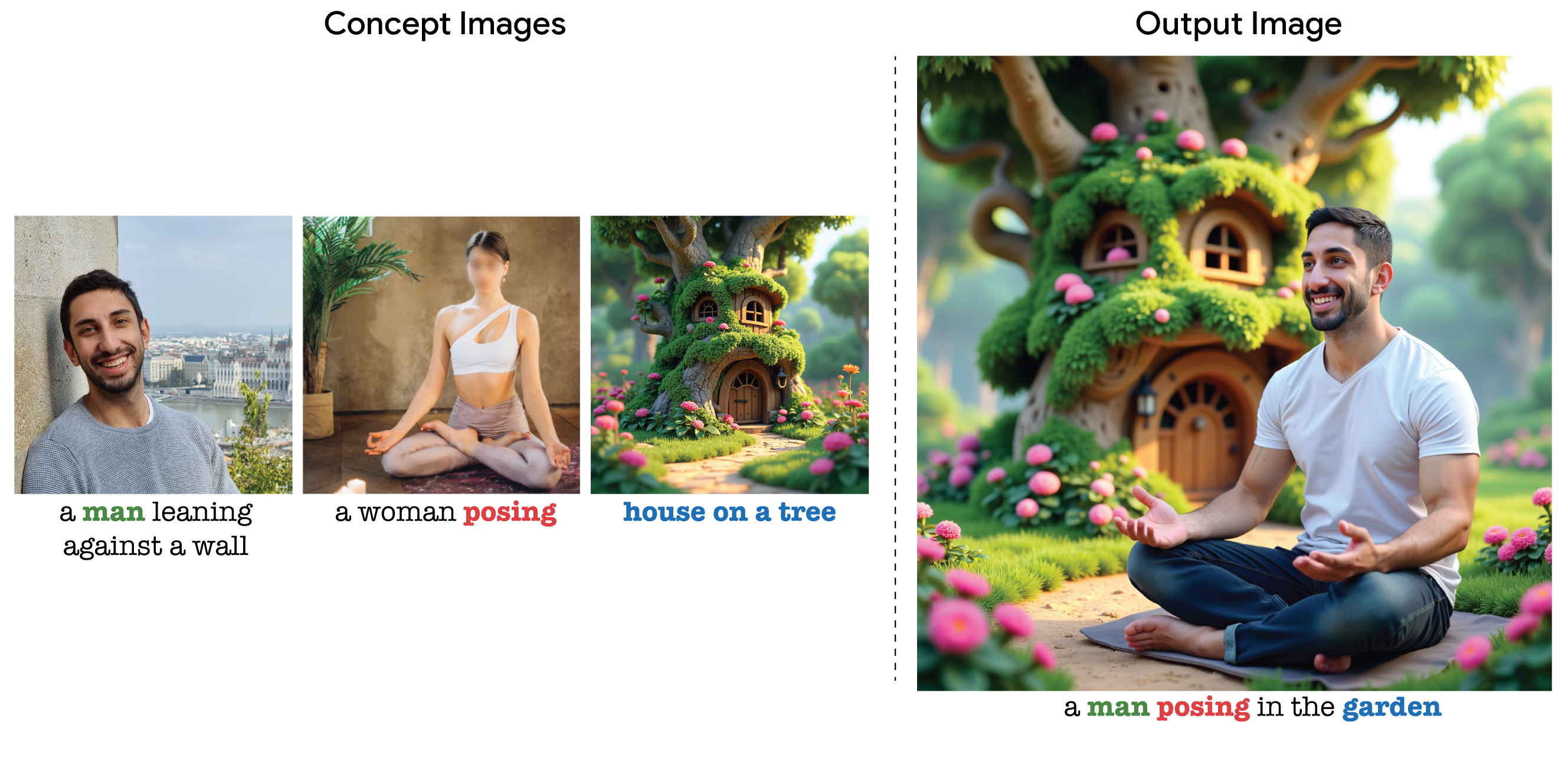
There's two images where the face is transferred to the final image. The references images with blurred faces are all being used for a different reference; the pose, or "necklace", etc.
The faces are blurred in every image unless they explicitly want the face transferred to the final image, at least that's how it seems.
Both of these show a man's face in a source image being used in a newly generated image. I agree that it isn't complicated, but you seem to be drawing different conclusions to everyone else here.
If your point is that it can't perform face transfer, you seem to be wrong - that's what's happening here. If your point is that the blurred photos used for other parts of the input mean that this suggests the model may get confused by other faces, then that's a fair point, but it seems clear they have demonstrated face transfer, and requiring blurring irrelevant faces seems a minor point compared to transferring the face that's intended. I'm not sure how that would really impact use-cases.
Well. If they had working face / human character transfer, listen, my dude, every single image would show a face transfer. It's one of the biggest challenges.


reply