My university's policy is that for student-elected gaps, if you returned within three years, "re-admission" was guaranteed. It was a bit dicier if the university required you to leave due to health problems or disciplinary/academic violations.
Usually, yes, but now colleges are having revenue problems. The president may block foreigners from attending (big revenue source), and many students may want to delay. So colleges are pretty likely to tell students to suck it up for a year or not get admitted to try to force them to attend as normal.
Inside of governments and corporations are individuals making all of those decisions. There is a buck and it stops with an individual on a decision, or a couple of individuals at most.
That's how a national emergency gets declared. The President decides to go forward with it. If California declares a state of emergency, it's the governor that has the final say:
This does not line up with my experience attending a fairly average / slightly above average US public school. At least half my classes largely required problem-solving and critical thinking. I spent a fair amount of time parroting stuff but that's unavoidable early in education, and most of my teacher's used it as a base for higher thinking. My primary and secondary education could certainly have been better, but this article strikes me as a gross and counterproductive exaggeration.
edit: my bad, I missed that this is a guest post; doesn't change my opinion of Perell though. I'd genuinely recommend his newsletter.
He is an "essayist". I'm subbed to his newsletter because he's excellent at finding good reading material, but his original writing is often insufficiently informed (charitably) or arrogant (uncharitably), and in poor style. This boggles the mind, since he sells online instruction in writing.
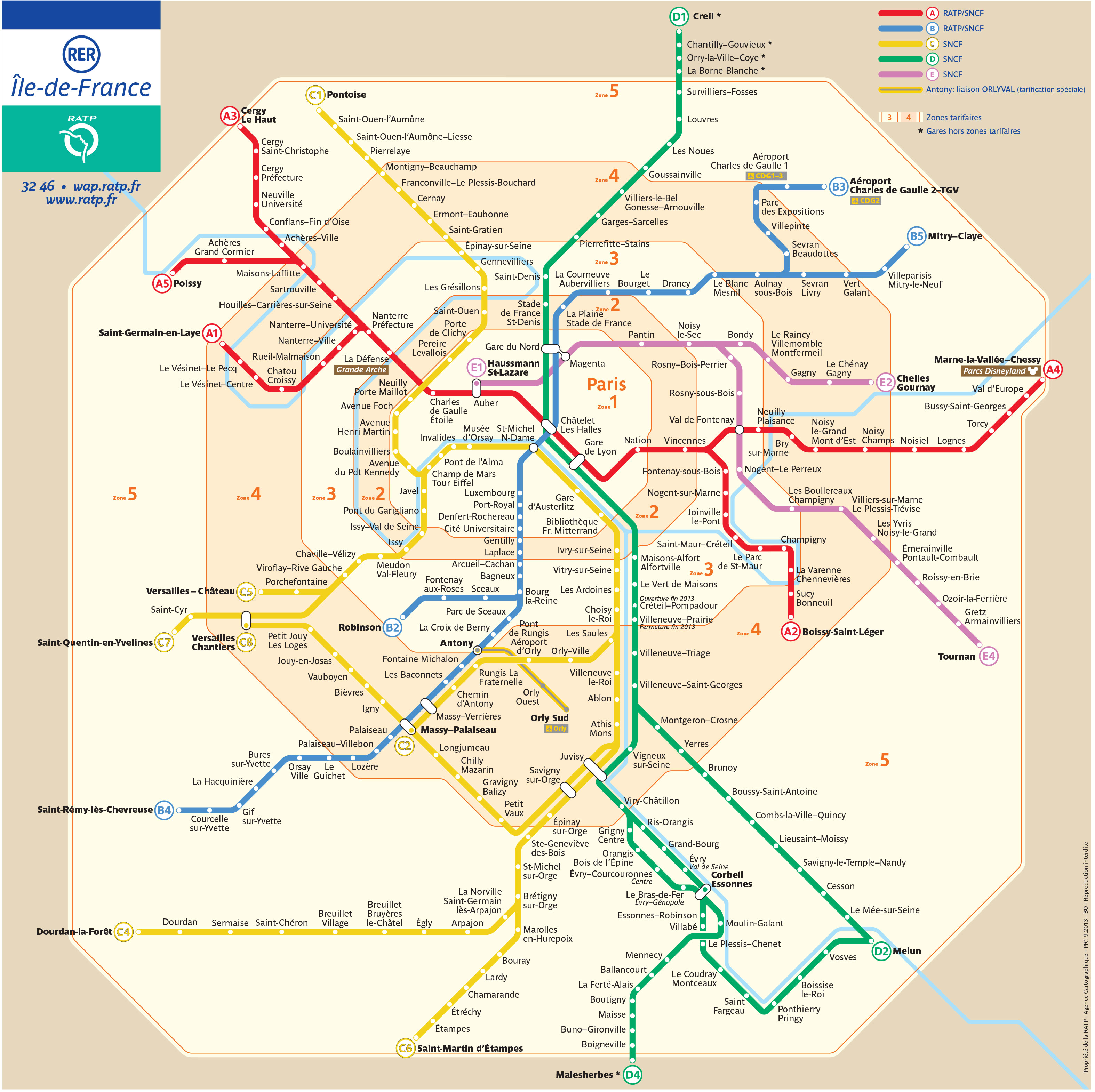
But even if cutting prices is within Paris only it will probably affect suburb-Paris traffic, because it changes the cost of a trip to Paris, possibly now cheaper than driving. The article is light on details, but it looks like these measures are taken by the city of Paris with the aim to reduce the traffic within the city.
Your librarians are administrative staff. Your research assistants are administrative staff. The people who do inventory are administrative staff. The people who do purchases are administrative staff. The people who work in the cafeteria are administrative staff. The people who install, maintain, and fix the computers used by all of the people in the list above are administrative staff. The people who fix a broken door are administrative staff. The people who are managing student housing are administrative staff. On-site campus security that busts freshmen parties are administrative staff.
Pretty much everyone who is drawing a salary, and is not a lecturing professor is administrative staff. If your university consists of a dozen lecture halls, and a storage closet, you don't need any administrative staff. The more facilities and services you have, the more administrative staff you will have. Stanford probably has a lot more facilities then your university did.
If you just want to lecture to people, education can be incredibly cheap. If you want to lecture to people, and have them use expensive lab equipment, and have them live on campus, and have hundreds of people, with teams of assistants doing research... It's going to be expensive.
Not sure how it is where OP is, but in many African countries it's common to have multiple SIM cards, to take advantage of in-network calling deals or to compensate for spotty coverage maps.